


Real estate development can be a key driver of your business’s growth. Whether you’re an experienced developer or just starting, this process can unlock significant opportunities, from creating new income sources to ensuring long-term stability.
Real estate development isn’t just about construction; it’s a strategic process that involves project planning, market analysis, financing, and choosing the right funding sources for projects like Saadiyat Shores by Palm Hills, for example.
In this article, we’ll explore what real estate development entails, the opportunities it presents for businesses, its legal aspects, and various financing options.
What is real estate development?
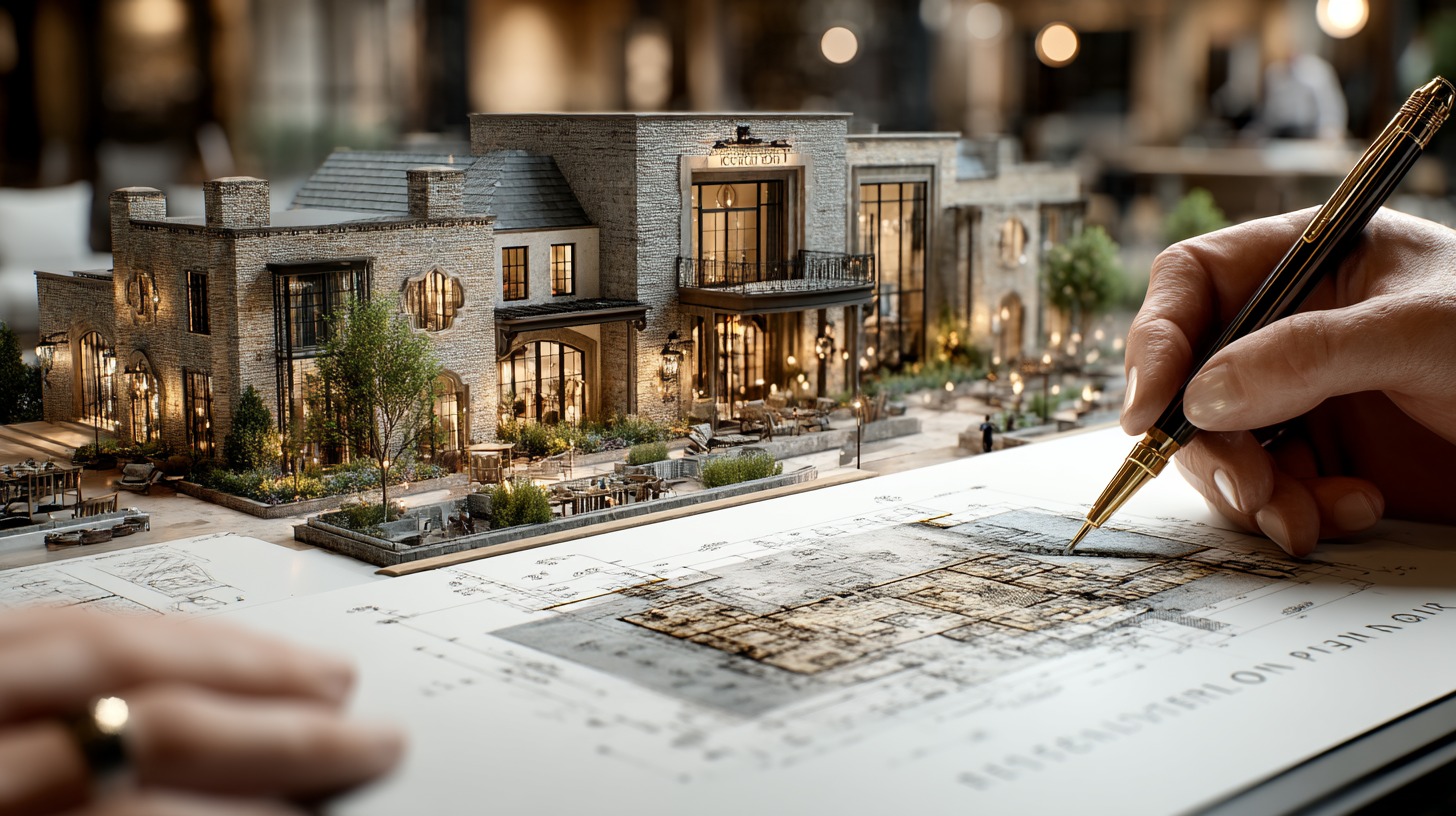
Real estate development is the process of creating, improving, or transforming property. This multi-stage process varies depending on the project’s nature, scale, and goals. It includes generating ideas, architectural planning, preparing documents, securing funding, and attracting investors.
It also involves finding contractors, overseeing the work, ensuring quality control, and finally selling, renting, or managing the property. Development can apply to residential, commercial, or even infrastructure projects.
Opportunities for businesses in real estate development
Real estate development can help any business grow, expand, or generate additional revenue. This can be achieved in various ways, focusing on a specific location, property type, or consumer need:
- Commercial property: Businesses often invest in developing or expanding office buildings for their own use or to lease out for extra income. Developing retail spaces is also common, particularly for companies that manufacture their own products. Warehouses and logistics centers are another area of interest.
- Residential property: For businesses not primarily in real estate, residential development can serve as an additional income source. By developing apartment buildings or low-rise housing, companies can diversify their revenue streams, which offers a buffer against challenges in their main business.

Real estate development - Mixed-use projects: These projects combine residential, commercial, and recreational spaces. This is an attractive option for businesses wanting to use a property for both their operations and for rental income, thus diversifying their portfolio. For instance, a company could use the first floor of a building for its business and rent out the second floor.
Real estate development can also be tailored to specific markets. For example, an educational institution might develop co-working spaces or dormitories. Development in smaller towns or regions can be particularly advantageous due to lower competition and more favorable conditions.
Ultimately, real estate development helps businesses create steady income, increase assets, strengthen their brand, and diversify revenue. However, it comes with risks like high initial investments, legal hurdles, and market fluctuations. Despite these challenges, it can be an excellent tool for growth and stability.
Legal aspects of real estate development
Real estate development is heavily regulated, with legal requirements at every stage, from land acquisition to building operation. Proper legal planning is crucial to avoid potential problems.
A key aspect is land acquisition and use. To develop a property, you must have ownership rights to the land. The land must also have the correct designation (e.g., residential, commercial). It’s also important to check for any restrictions, such as if the land is in a protected area.
Obtaining a construction permit is another critical step. Municipal authorities issue this permit after verifying that the project complies with urban planning documents and legal requirements. Other permits, such as for tree cutting or heritage site management, may also be needed. The project must also be coordinated with utility providers like electricity and water services.
All development activities must comply with national and local laws, such as the Construction Law and technical regulations. Businesses must have clear contracts with contractors that outline deadlines, quality standards, and responsibilities.
Once construction is finished, developers must obtain an act of completion from the relevant state inspectorate. If the property will be sold or leased, an energy efficiency certificate is also necessary.
Financing and budgeting for real estate development
Securing financing and planning a budget are often the most challenging parts of real estate development. Proper financial planning ensures the project proceeds smoothly and stays within budget. Businesses can seek financing from banks, credit unions, or through crowdfunding.
Bank loans: Many banks offer specialized loans for real estate development. While they have strict requirements, they can provide large loans for long terms.
Credit unions: Credit unions are another source for development loans and often provide more flexible terms than traditional banks.
Crowdfunding: This alternative is becoming increasingly popular. Crowdfunding platforms allow multiple investors to pool their funds to finance a project. This can be particularly useful for smaller projects or new developers seeking flexible options.